
































































































Kahnawake Licensed Casinos
The Kahnawake Gaming Commission was the first online gambling regulator in North America, established in 1996by the Mohawk Council of Kahnawake on Mohawk Territory near Montreal. Tier-2 jurisdiction, real audit capability, ADR through the KGC complaints office. 10 sites in our combined US and Canadian databases hold KGC as a license, mostly as secondary on top of MGA Malta primary. The Casino Rewards Group brands (Jackpot City, Platinum Play, Royal Vegas, Ruby Fortune) follow this pattern. For Canadian players, KGC adds explicit North American regulatory presence under section 35 sovereignty rights, sitting alongside the MGA tier-1 protection layer.
KGC sites tracked
10 sites
5 of 97 on the US side, 5 of 45 on the CA side. Almost all hold KGC as secondary with MGA Malta as primary. KGC primary as the sole license is rare in current operator practice.
KGC operating since
1996 · 30+ years
First online gambling regulator in North America. Predates Curaçao's online gambling framework, MGA Malta, and AGCO Ontario. Regulations Concerning Interactive Gaming enacted 1999. Mohawk Internet Technologies (MIT) hosting since around 1999.
Application standards
$40k + $10k/yr USD
Application + first-year fee approximately USD $40,000, annual renewal USD $10,000. Background checks on key persons, capital requirements, ongoing reporting. Smaller and faster process than MGA or UKGC. Tier-2 cost structure for tier-2 protection level.
Kahnawake Licensed Casinos
Filtered live to operators holding a Kahnawake Gaming Commission license (primary or secondary). Most are MGA + KGC dual-jurisdiction operators in the Casino Rewards Group / Microgaming ecosystem.
“Median slot RTP sits at 96.1%. The 80th-percentile range is 95.0% to 97.0%, tighter than most, which reflects the Microgaming-heavy library. 55% of games beat the 96% threshold, but 16% fall below 95%...”
Welcome Bonus
100% up to $1,600 over 4 deposits
Wagering
70x
Score
6.87/10
Games
2,600
Payout
N/A
Since
1998
“Median slot RTP sits at 96.1%. 54% of games clear 96%, and 17% fall below 95%. The distribution is acceptable but not impressive. Table games run 97.5%, live dealer 97.3%. eCOGRA publishes monthly agg...”
Welcome Bonus
100% up to $1,000 over 3 deposits
Wagering
70x
Score
6.65/10
Games
700
Payout
N/A
Since
2001
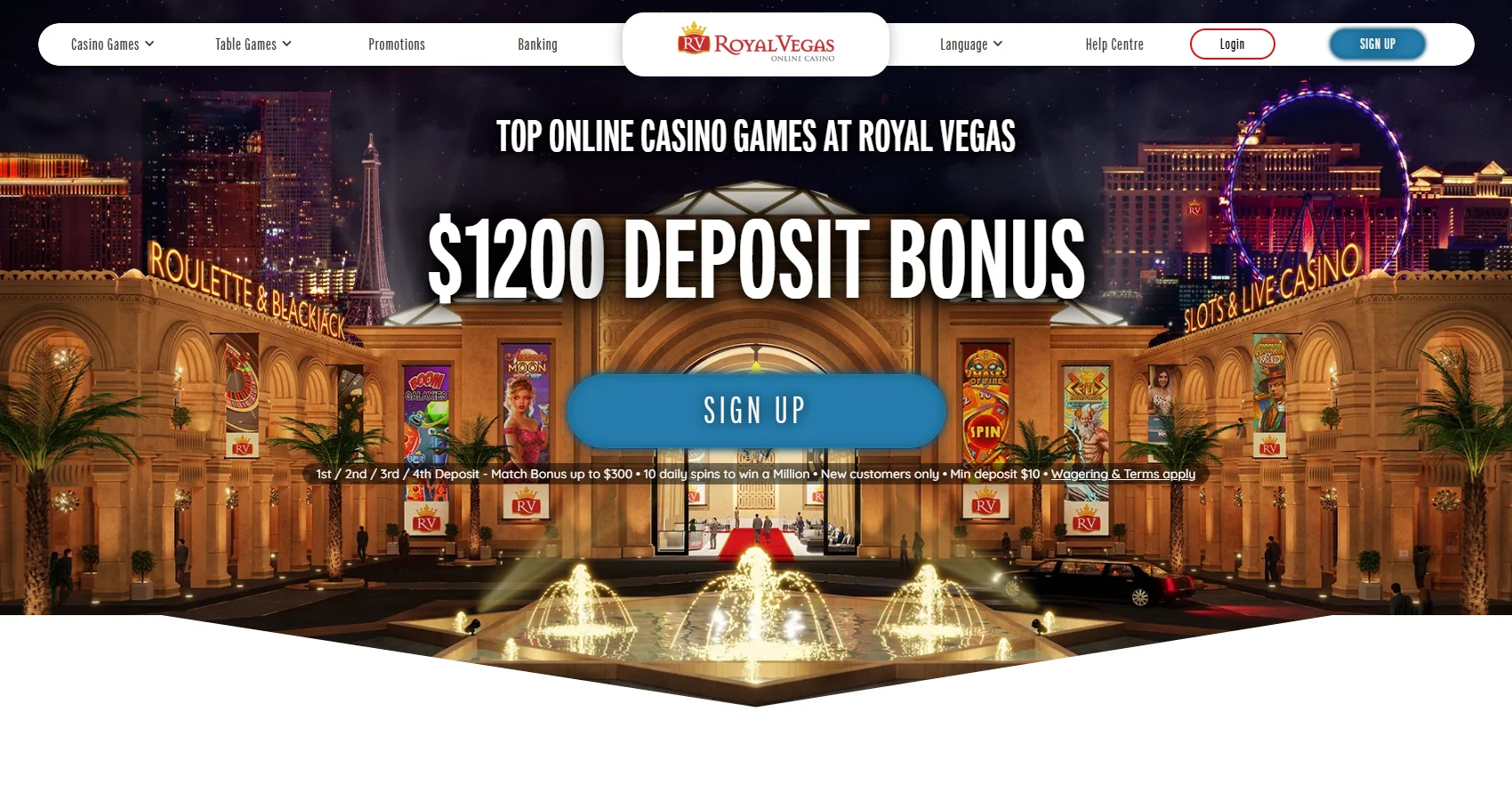
“Median slot RTP sits at 96.1%. 55% of games clear 96%, and 16% fall below 95%. Table games run 97.5%, live dealer 97.3%. eCOGRA audited with monthly aggregate reports. No reduced-RTP variants found. T...”
Welcome Bonus
100% up to $1,200 over 4 deposits
Wagering
70x
Score
6.62/10
Games
700
Payout
N/A
Since
2000
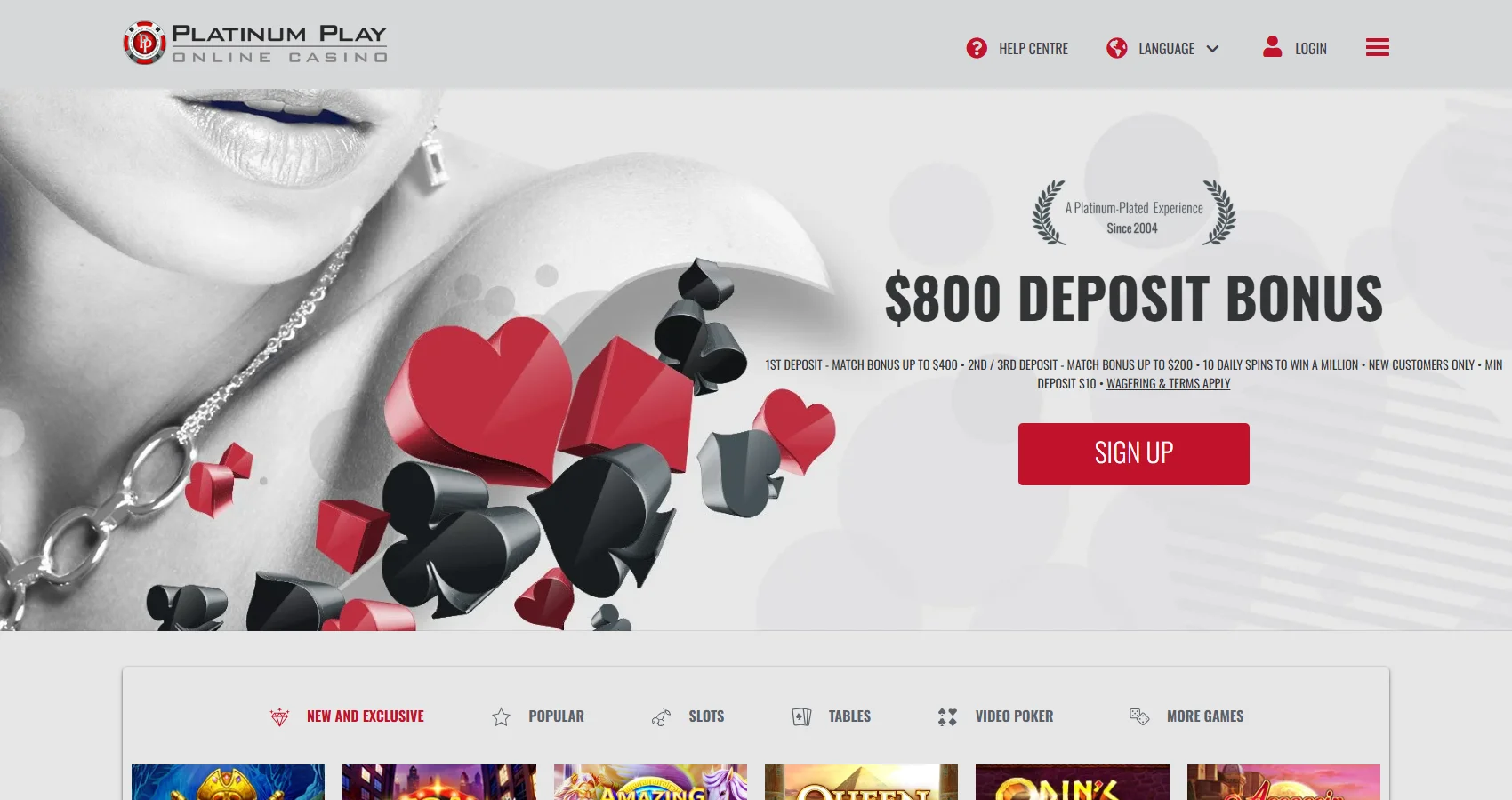
“Median slot RTP sits at 96.1%. 55% of games clear 96%, and 16% fall below 95%. Table games run 97.5%, live dealer 97.3%. eCOGRA audited with monthly aggregate payout reports. No reduced-RTP variants f...”
Welcome Bonus
100% up to $800 over 3 deposits
Wagering
70x
Score
6.58/10
Games
700
Payout
N/A
Since
2004
More Top Casinos
| # | Casino | Score | Payout | Action |
|---|---|---|---|---|
| 5 |  Ruby Fortune Ruby Fortune | 6.44 | N/A | |
| 6 |  Black Lotus Casino Black Lotus Casino | 3.78 | ~24h |
How KGC Has Authority to License Gambling
Kahnawake Mohawk Territory, located on the south shore of the St Lawrence River near Montreal, exercises sovereignty over gambling activity within its boundaries under treaty rights and the recognition of First Nations sovereignty in section 35 of the Canadian Constitution Act, 1982. The Mohawk Council passed the Regulations Concerning Interactive Gaming in 1999, three years after creating the Kahnawake Gaming Commission in 1996.
Federal and provincial governments do not regulate gambling activity within Kahnawake Territory; the Mohawk Council does. This is the structural reason KGC was able to issue online gambling licenses in 1996 when no other North American regulator was ready to. The Quebec government and Ottawa generally respect Kahnawake's regulatory authority within its territory, even where the broader provincial framework (Loto-Québec for QC) is sceptical of online gambling.
In practice, KGC licensees are within Canadian jurisdictional space, which is a different posture from Curaçao or Anjouan operators that sit outside Canadian jurisdiction entirely. For Canadian players, this is a meaningful distinction: dispute escalation through KGC happens within Canadian-recognized regulatory framework rather than abroad.
The 2008 UltimateBet / Absolute Poker scandal was the historical low point: KGC-licensed poker rooms were found to have insider cheating tools used by privileged accounts. KGC took action and required remediation, but the case dented its tier-1 reputation. Post-2008 KGC tightened operator screening, and the modern KGC licensee set (largely Casino Rewards Group brands) has operated cleanly since.
KGC Enforcement Timeline
Kahnawake licensed many of the largest online poker operators in history. Its enforcement record is mixed but real, with scandals and recoveries that materially shaped how the industry views tier-2 jurisdictions.
01
1996
KGC established
Mohawk Council of Kahnawake creates the gaming commission. First North American online gambling regulator. Predates Curaçao's online gambling framework.
02
1999
Regulations Concerning Interactive Gaming
Formal licensing framework adopted. Mohawk Internet Technologies (MIT) data centre established to host licensed operators. The KGC + MIT pairing becomes the Kahnawake operating model.
03
2002-2007
Peak poker era
PartyPoker, PokerStars (briefly), Full Tilt Poker, UltimateBet, Absolute Poker all operated under KGC licenses during the online poker boom. KGC was the dominant regulator for the global player-vs-player poker market.
04
2008
UltimateBet / Absolute Poker insider cheating
Tokwiro Enterprises' UltimateBet and Absolute Poker were found to have insider "superuser" tools used by privileged accounts to see opponents' hole cards. The cheating ran from 2004 to 2008 and is estimated to have stolen ~US$22M from players. KGC fined Tokwiro C$1.5M and required substantial player remediation, but did not revoke the underlying license. The case is the most-cited mark on KGC's tier-2 reputation.
05
2011
Black Friday (April 15, 2011)
US DOJ indicted PokerStars, Full Tilt, and Absolute Poker leadership on bank fraud and money laundering charges, seized .com domains. Full Tilt was found to have used player deposits to fund operations (a Ponzi-like structure). KGC's response was criticized as too slow; many players waited years for fund recovery via PokerStars' eventual Full Tilt acquisition. KGC tightened operator capital and segregation requirements after.
06
2014-2018
Modernization period
KGC tightened audit standards, key-person fitness checks, and capital requirements. Most legacy poker operators consolidated or moved to other jurisdictions. KGC repositioned around MGA + KGC dual-jurisdiction operators (Casino Rewards Group, Bayton Ltd brands) instead of standalone primary licensees.
07
2023-2026
Sportsbook expansion
KGC began licensing single-event sport betting operators following Bill C-218 (Canada-wide federal change August 2021). Several KGC-licensed sportsbooks now compete with provincial Crown sportsbooks (PlayNow, OLG, ALC) on the Canadian market. KGC remains under the Mohawk Council's direct authority with section 35 sovereignty as the legal basis.
MIT Hosting and the KGC Complaints Office
MIT (Mohawk Internet Technologies)
- ●Founded ~1999, located on Kahnawake Mohawk Territory near Montreal, Quebec
- ●Tier-3+ data centre with direct fibre connections, redundant power, on-site security
- ●Required hosting facility for KGC primary licensees: operator infrastructure runs on MIT servers under direct KGC oversight
- ●Secondary KGC licensees (Casino Rewards Group brands holding MGA primary) are not always required to host on MIT — depends on the license type
- ●The hosting requirement is structurally why KGC has authority to audit operator code, transaction logs, and game RNG outputs in real time, not just through periodic review
KGC Complaints Office
- ✓Direct dispute resolution for players against KGC-licensed operators
- ✓Operator must respond to a filed complaint within 14 days of KGC notification
- ✓Investigation typically completes within 30-60 days
- ✓Decisions are non-binding on the player but operator must comply or face license enforcement action
- ✓Decisions posted publicly on the KGC website with operator name and case summary — transparency unusual for tier-2 jurisdictions
- ×Smaller complaints volume than MGA or UKGC means faster individual review but less aggregated industry pattern data
- ×No automatic compensation pool for operator insolvency. Compare to MGA player-fund segregation requirements
All KGC-Licensed Sites in Our US Set
Filter: license_primary === "kahnawake" OR license_secondary === "kahnawake". Primary license column shows the tier-1 jurisdiction these operators pair with KGC — almost always MGA Malta.
| # | Casino | Weighted total | Primary license | Operator group | Years operating | Visit |
|---|---|---|---|---|---|---|
| 1 | Jackpot City | 6.87 | mga | Casino Rewards Group | 28 | |
| 2 | Spin Casino | 6.65 | mga | Casino Rewards Group | 25 | |
| 3 | Royal Vegas | 6.62 | mga | Casino Rewards Group | 26 | |
| 4 | Platinum Play | 6.58 | mga | Casino Rewards Group | 22 | |
| 5 | Ruby Fortune | 6.44 | mga | Casino Rewards Group | 23 | |
| 6 | Black Lotus Casino | 3.78 | kahnawake | Lotus Player Club (Genesys Group) | 15 |
5 sites in our US set carry KGC. The Casino Rewards Group / Bayton Ltd cluster (Jackpot City, Platinum Play, Royal Vegas, Ruby Fortune) accounts for most of them. Casino Rewards has used the MGA + KGC dual structure for over a decade, which makes the operating-history signal in this leaderboard particularly strong.
Frequently Asked Questions
Common questions and answers
What is the Kahnawake Gaming Commission?
The Kahnawake Gaming Commission (KGC) is the gambling regulator established by the Mohawk Council of Kahnawake in 1996. Located on Kahnawake Mohawk Territory near Montreal, Quebec. KGC was the first dedicated online gambling regulator in North America, predating Curaçao, MGA Malta, and AGCO Ontario. The Regulations Concerning Interactive Gaming were enacted in 1999, formalizing the licensing framework.
How many Kahnawake-licensed casinos do you track?
5 sites in our US database hold KGC as a secondary license, and 5 more on the Canadian side. 10 total slots in our combined coverage. Almost all are paired with MGA Malta as primary. The Casino Rewards Group brands (Jackpot City, Platinum Play, Royal Vegas, Ruby Fortune) follow this pattern. KGC is rarely held as primary in our current data set.
How does the Mohawk Council have authority to regulate gambling?
Kahnawake Mohawk Territory exercises sovereignty over its territorial jurisdiction under treaty rights and constitutional recognition under section 35 of the Canadian Constitution Act, 1982. The Mohawk Council passed its own gaming regulations in 1999 and operates the KGC and Mohawk Internet Technologies (MIT) hosting facility. Federal and provincial governments do not regulate gambling activity within Kahnawake Territory; the Mohawk Council does. This sovereignty is the structural reason KGC could license online gambling in 1996 when no other North American regulator was prepared to.
Is Kahnawake a tier-1 or tier-2 jurisdiction?
Tier-2, in industry shorthand. KGC has real audit and enforcement capability (revoked licenses several times across its history, requires submitted operator reports, runs ADR through its complaints office). Smaller enforcement budget than MGA or UKGC, less aggressive than AGCO. The Kahnawake framework is closer to Isle of Man or Alderney in protection level than to Curaçao's pre-LOK weakness or to MGA's tier-1 strength.
Why are most Kahnawake licenses paired with MGA primary?
For market access. MGA primary covers EU and Canadian markets at tier-1 standards. KGC secondary adds explicit North American regulatory presence for marketing trust signals to Canadian players, plus operational hosting at MIT. The Casino Rewards Group brands (Bayton Ltd / Casino Rewards) have used this MGA-primary + KGC-secondary structure for over a decade. It is the standard pattern when an operator wants both EU coverage and clear Canadian regulatory presence.
What is MIT (Mohawk Internet Technologies)?
MIT is the Kahnawake hosting facility for licensed online gambling operators, founded around 1999. Located on Mohawk Territory, it provides server hosting under KGC oversight. Operator infrastructure runs on MIT, audits cover MIT operations, and hosting on MIT is a structural requirement for KGC primary licensees. For secondary KGC licensees (the more common pattern in our data), MIT hosting is not always mandatory — depends on the license type.
How does KGC licensing differ from Curaçao licensing?
Several practical differences. Application process: KGC takes 3-4 months and costs roughly USD 40,000 application + USD 10,000 annual; Curaçao costs roughly EUR 60,000 first year. KGC operator screening is more rigorous (background checks, capital requirements, ongoing reporting). KGC complaints office handles player disputes directly; Curaçao requires ADR contract with a third-party body. KGC is much smaller in scale (handful of licensees vs hundreds for Curaçao) which means more operational visibility per licensee.
Is a KGC-licensed casino safe for Canadian players?
KGC operates within Canadian constitutional framework as a First Nations regulatory body, so KGC-licensed casinos are explicitly licensed within Canada. That is a different posture from Curaçao or Anjouan, which operate outside Canadian jurisdiction. For Canadian players, KGC-licensed sites paired with MGA primary represent a reasonable tier-1 + tier-2 protection stack. Casino Rewards Group brands (Jackpot City, Royal Vegas, etc.) sit in this segment. The choice still depends on operator track record, not just license framework.
Did KGC ever revoke licenses for misconduct?
Yes. KGC has revoked licenses across its history, most notably the 2008 UltimateBet / Absolute Poker investigation where KGC initially licensed both operators that were later found to have insider cheating tools used by privileged accounts. KGC took action, fined the operators, and required substantial remediation, but the case dented KGC's tier-1 reputation. Post-2008 KGC tightened operator screening, and there have been no comparable scandals at KGC-licensed casinos since.
Can KGC casinos accept US players?
Historically yes; KGC has been one of the few jurisdictions willing to license operators serving the US market. The current pattern in our data set is that the KGC-secondary brands (Casino Rewards Group, Microgaming-family operators) primarily serve Canadian and European markets, not US. Operators that target US players still favor Curaçao primary because it is purpose-built for that market access.
Which Kahnawake-licensed casinos in your database are worth checking?
The Casino Rewards Group brands (Bayton Ltd ownership) hold MGA Malta primary plus KGC secondary: Jackpot City, Platinum Play, Royal Vegas, Ruby Fortune. All four have 20+ year operating histories in the Microgaming ecosystem with consistent payout track records. The leaderboard further down ranks them and the rest of the KGC set by weighted total. Jackpot City and Royal Vegas typically score highest in our criteria.
MGA Malta Licensed
The tier-1 EU framework that pairs with most KGC secondary licenses. Mandatory ADR, EU AMLD, public licensee register.
Curaçao Licensed
The dominant US-accessible offshore framework. 72% of our US database. Compare protection-level vs Kahnawake.
Established Casinos
10+ year operating track record. KGC-licensed Casino Rewards Group brands cluster heavily in this segment.